

Does planning your yoga classes take more time than teaching them? If you’re starting at the pose level, you’re probably working harder than you need to!
Here’s a better way: start with a framework that balances movements, engages the whole body, and simplifies your process.
The key is thinking in terms of movements, actions, and core principles—not individual poses. I use what I call the 6–4–2 framework: six moves of the spine, four lines of the legs, and two core actions. This approach keeps your classes balanced, consistent, and easier to plan, leaving you feeling confident and your students coming back for more.
Last updated: July 6, 2026
why class planning feels hard
If you’re spending time staring at a blank lesson plan, you’re not alone.
Many yoga teachers fall into the trap of overcomplicating their planning. You start with a pose, then build around it, trying to create something cohesive. This can feel overwhelming, especially if you’re unsure whether your class is balanced.
Here’s the thing: starting with poses is like building a meal from condiments instead of focusing on the main ingredients. You need a structure that ensures every class meets your students’ needs while leaving room for your creativity to shine.
the 6–4–2 framework for planning
The 6–4–2 framework provides the foundation for balanced yoga classes:
1. Six Moves of the Spine
These ensure the spine moves through its full range of motion:
- Flexion (e.g., forward folds).
- Extension (e.g., backbends).
- Side bends (left and right).
- Twists (left and right).
2. Four Lines of the Legs
This ensures balanced work in the front, back, inner, and outer lines of the legs:
- Front: Quadriceps, hip flexors (e.g., lunges).
- Back: Hamstrings, calves (e.g., forward folds, bridge pose).
- Inner: Adductors (e.g., wide-legged forward folds, side lunges).
- Outer: Abductors, glutes (e.g., warrior II, side plank).
3. Two Core Actions
These keep the body stable and mobile:
- Stabilization: Holding steady (e.g., plank, balancing poses).
- Articulation: Moving with control (e.g., cat-cow, flowing transitions).
how to structure a class
Here’s how the 6–4–2 framework fits into your class:
- Opening (Warmup): Move through the six spinal actions to wake up the body.
- Standing Sequence: Keep going with the six, and also focus on leg work, using the four lines of the legs to create strength and stability.
- Mat Work: Include core actions, seated poses, and deeper stretches.
- Closing (Cool Down): Return to gentle movements and relaxation to balance the body and mind.
Think of these sections like a meal: warmup is the appetizer, standing is the main course, mat work is the sides—or a second main!—and closing is dessert. Together, they create a cohesive experience for your students.
how to get started
Here’s how you can start using the 6–4–2 framework in your classes:
- Write Down Your Go-To Poses: Make a list of poses you love to teach. Then categorize them by spinal movements, leg lines, and core actions.
- Identify Gaps: Are you missing any of the six moves of the spine, four lines of the legs, or two core actions? Add poses that fill these gaps to ensure your class is balanced.
- Group Poses into Segments: Create sequences for each section of your class—warmup, standing, mat, and closing.
- Practice Modular Planning: Mix and match these sequences to keep your classes fresh while sticking to a solid framework.
By ensuring balance in your planning, you’ll save time, build confidence, and give your students a well-rounded experience every time. In fact, you can plan your class in just 15 minutes.
why this approach works
The beauty of the 6–4–2 framework is its flexibility. You can reuse your favorite sequences while adapting them to different themes or class types. This consistency makes planning easier for you and builds trust with your students—they’ll know what to expect while enjoying just enough variety to keep things interesting.
ready to simplify your yoga planning?
If this approach resonates with you, take the next step:
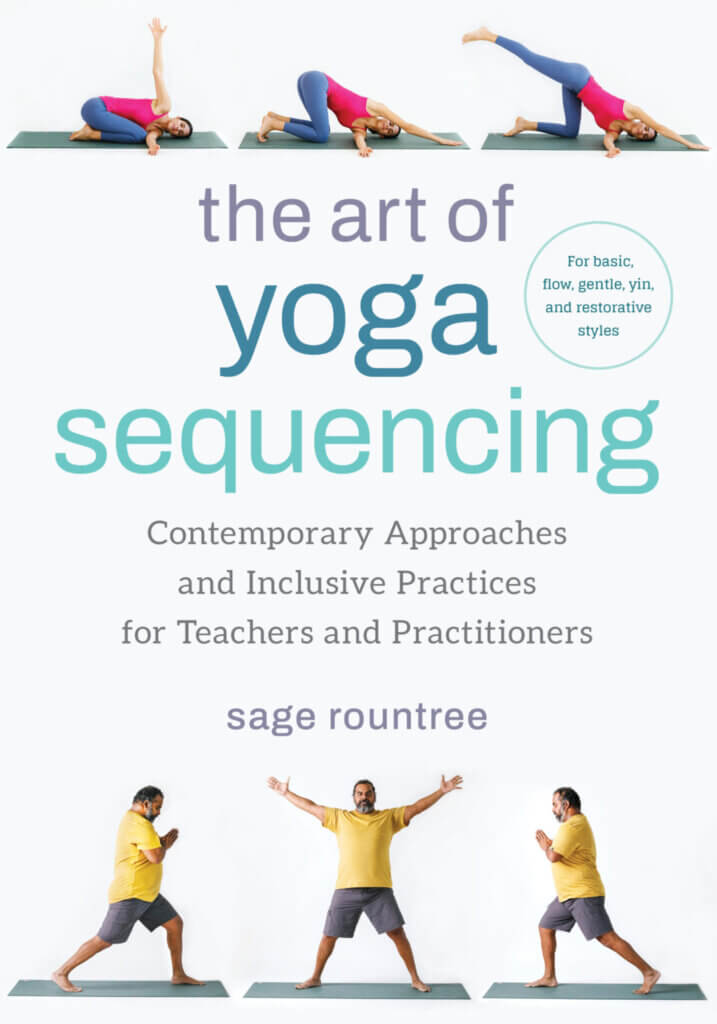
- Read The Art of Yoga Sequencing: It’s packed with tips and examples to help you implement the 6–4–2 framework in your teaching. Order it here.
- Listen to the Episode: For more details on this method, listen to Episode 16 of Yoga Teacher Confidential. It’s an explanation of how this framework can transform your planning process. Listen here.
By using the 6–4–2 framework, you’ll not only simplify your planning but also create classes that are balanced, effective, and easy to adapt. You’ll feel more confident, and your students will feel more supported—win-win! And once your plan is set, here’s how to start your class with confidence.
What does 6–4–2 stand for when planning a yoga class?
Six moves of the spine, four lines of the legs, and two core actions. Cover those twelve elements over the course of a class and the sequence is physiologically balanced, whatever poses you choose to teach it with.
How long does it take to plan a class with the 6–4–2 framework?
Once you know the framework, most teachers can build a balanced class outline in about 15 minutes. The framework replaces pose-by-pose guesswork with a checklist, so you’re confirming coverage instead of building from scratch.
Do I need to hit all six spinal moves in every single class?
Not in every discrete chunk—aim to cover them over the course of the whole class. A warm-up might cover the six moves of the spine on its own, then the standing sequence adds the four lines of the legs and both core actions.
Is 6–4–2 a fixed sequence like a specific style of yoga?
No. It’s a checklist, not a script. You choose the poses that fit your students and your teaching style, then confirm the class covers all twelve elements. That’s what keeps classes consistent in structure while staying flexible in content.
Where does the 6–4–2 framework fit with the rest of a lesson plan?
It’s the starting structure—the container you fill with your own go-to poses. Once the six moves, four lines, and two core actions are accounted for, you’re free to focus on sequencing details, transitions, and what your particular students need that day.

